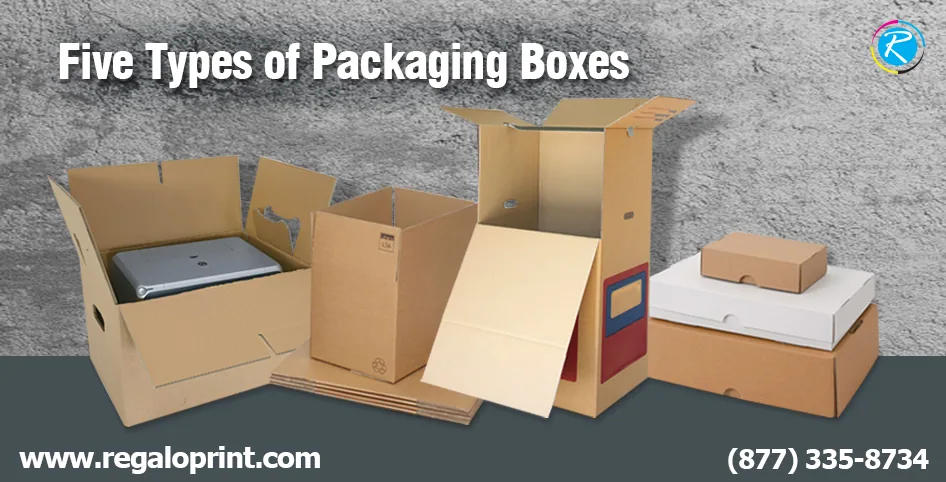
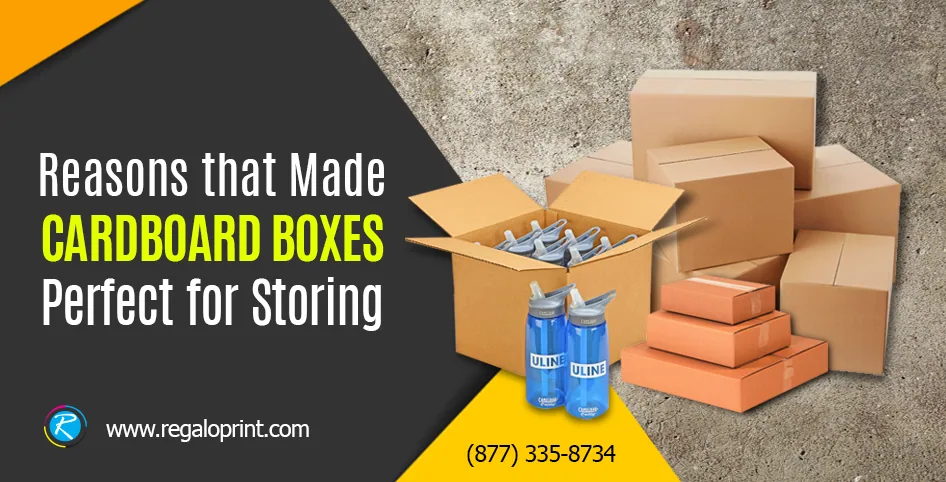
Moving into a new place (or clearing out a storage unit) is fundamentally a packing problem before it's anything else. Dozens, sometimes hundreds, of boxes need to survive being carried, stacked, driven across town, and then left untouched for weeks or months until someone opens them again. Plastic bins get recommended for this constantly, usually by people who have never actually filled fifty of them at once. Cardboard remains the default for professional movers and self-storage operators alike, and that's not inertia. It does a specific set of jobs well that the alternatives don't.
What Moving and Storage Actually Demand From a Box
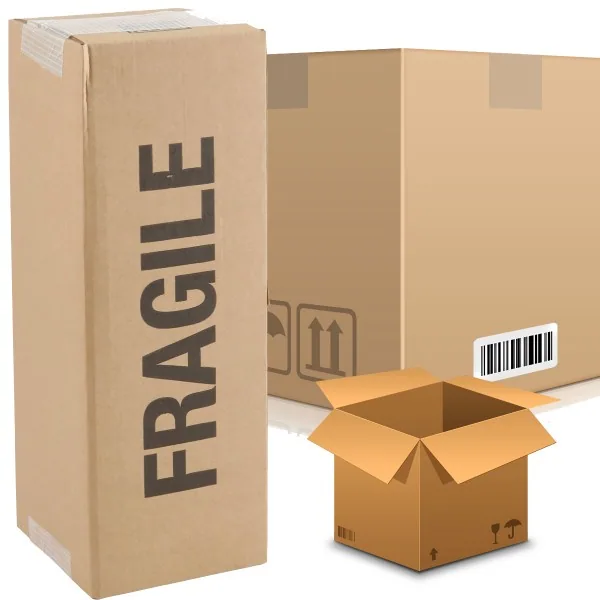
Shipping a single product to a single customer is a one-way trip. Moving and storage are a different problem: the same box gets lifted, carried, stacked, driven, unstacked, and then left for an indefinite stretch before anyone touches it again. It needs to hold its shape under sustained weight rather than survive a single drop, take a label that's still legible six months from now, and cost little enough that ordering forty of them doesn't become its own line item in the budget. Five things fall out of that.
1 · It Stacks Without Crushing What's Underneath
A properly packed cardboard box carries load through its corners and side walls, not its lid, which is why moving boxes are built with matching footprints across sizes. A stack of small boxes under medium boxes under one large, light box distributes weight the way it's meant to. Overpack a box past its rated capacity and that math breaks down, but sized and filled correctly, standard double-wall cardboard holds a stack four or five boxes high in a truck bed or storage unit without the bottom box deforming. Plastic totes, by comparison, often taper slightly for nesting when empty, which means loaded totes don't always stack perfectly square, and a stack that's even slightly off-square is exactly what shifts in transit.
2 · It Takes a Marker and Keeps the Label Readable
Cardboard's uncoated, matte surface is exactly what a permanent marker or grease pencil needs. Ink sits into the fiber instead of beading on a slick shell. That matters more than it sounds like it should when you're labeling forty boxes by room and contents, because six months into storage, a peeled paper label or a marker line smeared across glossy plastic is a box you now have to open just to identify. Write directly on the cardboard itself and the label survives the move, the stack, and whatever storage stretch follows it.
Write directly on the cardboard and the label survives the move. Peel a paper label off glossy plastic and you're opening the box just to identify it.
3 · It Protects Contents Through Months of Storage, Not Just a Single Trip
A shipping box only has to survive one journey. A storage box has to hold its integrity through a season of temperature swings inside a unit or garage. Cardboard's fiber structure breathes slightly, letting minor humidity fluctuations equalize rather than condense. Sealed plastic bins, somewhat counterintuitively, can trap moisture against their contents in a way ventilated cardboard doesn't. That's not an argument for cardboard in a flood-prone basement; nothing paper-based belongs somewhere that might actually get wet. But for a standard self-storage unit or garage corner, a double-wall cardboard box holds up for the length of a typical storage lease without the sweating problem sealed plastic can create.
4 · Bulk Pricing Makes the Math Work When You Need Dozens at Once
A single move rarely needs one box. It needs an assortment, ordered all at once, in quantities that would make fully custom packaging impractical. Standard cardboard moving boxes are produced at a scale that keeps the per-unit cost low even before volume discounts kick in, and because they ship flat, a supplier can fit forty of them in the same footprint that ten assembled plastic totes would occupy. That's the quiet reason cardboard wins both the household move and the warehouse restock: the cost curve favors ordering exactly as many boxes as the job needs, in whatever mix of sizes it needs, rather than whatever quantity happens to be sold as a pre-set bundle.
5 · It Folds Flat When the Job Is Done
Once everything's unpacked, a cardboard box breaks down to a few flat sheets that either go into curbside recycling or get folded and set aside for the next move. Plastic totes don't do that. They nest for storage, but they still take up shelf space indefinitely, which is exactly the kind of clutter most people were trying to eliminate by moving in the first place. For a one-time household move, that's a genuine convenience. For a business rotating stock through seasonal storage, it also means the packaging cost doesn't linger as a durable asset that has to be stored, cleaned, or replaced the first time a lid cracks.
Where Cardboard Reaches Its Limit
None of this makes cardboard the right call for every storage scenario, and it's worth being honest about where the material's limits actually are. Items that get repacked and reused for years. A moving company's own fleet of boxes, or bins that cycle through a warehouse dozens of times a season. Wear that advantage down fast, since every round of taping, stacking and unpacking softens the corners a little more. Rigid plastic totes earn their higher upfront cost there, purely through reuse count. Anywhere genuinely damp. An uncovered shed, a basement with a known moisture problem, outdoor storage without cover. Is also the wrong environment for any paper-based packaging, cardboard included, no matter how it's sealed. And gnawing pests treat cardboard as a food source in a way they don't treat sealed plastic. For a single move or a standard, climate-stable storage unit, none of these caveats apply, but a business storing the same inventory indefinitely, or storing anything somewhere damp, is better served mixing in durable containers for the long-haul items and reserving cardboard for what's actually moving through on a normal timeline.
Getting the Sizing Right
The single biggest packing mistake in a move isn't the box material. It's a size-to-weight mismatch. A large box full of books is nearly impossible to lift safely; a small box full of pillows wastes truck space and multiplies the number of boxes you need. Matching box size to what's actually going inside is what makes the stacking, labeling and protection above actually work in practice.
Get the sizing right and the rest takes care of itself: a properly filled box stacks square, keeps its label legible, and holds up for however long it needs to sit before the next place is ready for it. Ordering the right mix of sizes up front (rather than grabbing whatever's on sale) is the difference between a move that goes smoothly and one where half the boxes are the wrong shape for what's left to pack, and it's worth browsing the full range of packaging boxes before settling on a single size.
Need boxes for an upcoming move?
Tell us the quantities and sizes and we'll price it same day: no account, no minimum.