Free design proof on every custom order: no templates, no stock SKUs
Printed matter for a moment with a date on it. A conference, a launch, an opening, a campaign. Folders, flyers, brochures, menus, rack cards and postcards, all made to order with a free proof before production. Filter by how the piece reaches the person it is meant for.

$420, two side pockets.

8.5″ × 11″ flat sheet, the default for events and promotion.

8.5″ × 11″ sheet, folded (the default) fits racks and folders.

$420: two pockets, premium finish.

Your size, stock and fold, no standard format fits.

3.5″ × 8.5″, slim racks and countertop holders.

4″ × 9″, broad distribution across many racks.

Cover weight, restrained finish. A leave-behind after a meeting.
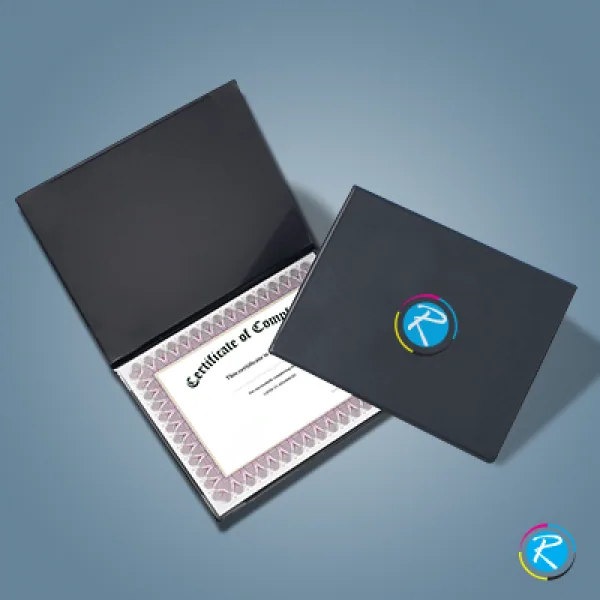
$460, corner / ribbon slits.

Shaped or non-standard: a shape, a clip or a matched size.
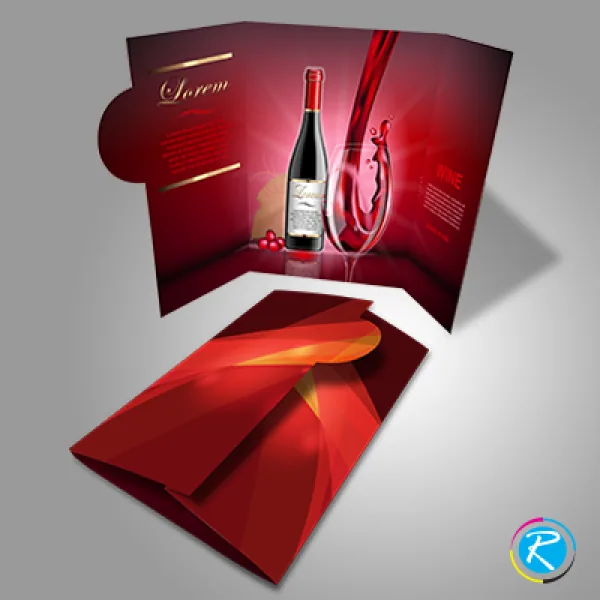
Your sheet, fold and panels. No standard sheet or fold fits.

$395. Your layout.

A range of standard sizes. Size should follow the postal rate.

Your dimensions, a bespoke display or matched collateral.

Cut to a shape. It must not look like a flyer.

$440. Custom cut outline.

Full size, laminated: handled at every table, every service.

$530: reinforced tab, no pockets.

5″ × 7″, one fixed size: a straightforward mailing, no size decision.

11″ × 17″ or larger sheet. Images need room to work.

8.5″ × 14″ sheet, folded: more content, still fits a rack.

$475, oversized pockets.

$370. Print slit.

Compact and mailable. Distribution matters more than detail.

2″ × 6″, volume giveaways and mail inserts.

4″ × 6″ postcard scale: volume, mailing and door drops.

Full length. It must show above a closed book.

Single sheet, leaves with customer. It has to survive a kitchen drawer.

$520, three panels.
The deciding question is how the piece gets into someone's hands, because that sets the weight and finish more than the content does. Something handed over deliberately (a folder at the close of a pitch, a brochure across a table) is judged in the hand and wants cover weight and a considered finish. Something distributed in volume is read once and discarded, so the money is better spent on quantity than on stock.
Anything left on display has a third set of constraints again. A rack card only works if its width fits the slot, which is a dimension worth measuring on the actual rack rather than assuming. A menu is read in low light by people who did not bring their glasses, so type size is a functional decision. Get those physical constraints right first. They are far harder to fix after printing than any design choice.