Free design proof on every custom order: no templates, no stock SKUs
Seventeen label types, and the choice between them is decided by three questions rather than by appearance: what surface it goes on, whether it ever gets wet or cold, and whether a machine has to read it. Everything else (shape, size, finish) follows from those. Filter by what the label has to survive.

Brand panel plus mandatory content. It sells the product and carries the details.

Every layer specified, nothing standard fits the job.

Film face, wraparound, laminated. It gets cold, wet and gripped.

Regulatory panel, food-safe adhesive. Ingredients and nutrition are required.

Clear film, white underbase. The container should show through.

Custom outline die. A rectangle or circle will not do.

Contrast, resolution, quiet zone. It has to scan every time.

Module size to scan distance. A phone camera has to read it.

Thermal face, carrier format. It moves through a carrier network.
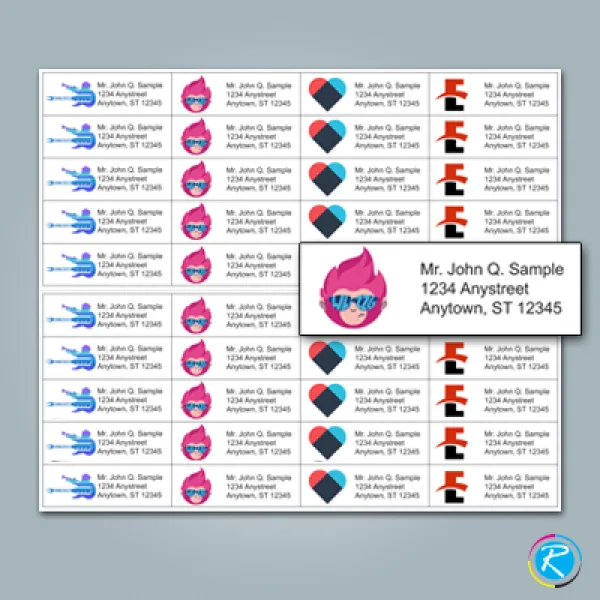
Sheet or roll, high volume, hundreds or thousands of addresses.

Sheeted, uncoated, writable: envelopes, by printer or by hand.

Resin dome over printed label, equipment badges and control panels.

Metallised film beneath the ink, large metallic areas or metallic color.

Emboss registered to foil, seals and authenticity marks.

Standard shapes and stock: dates, contents, internal marking.

Standard commercial format, everyday branded commercial use.

Concentric annular die. It spins, so it must be balanced.
The first fork is paper or film, and it is settled by moisture rather than by budget. A coated paper label takes ink beautifully and costs the least, but a paper label on a chilled bottle wrinkles within an hour, so anything refrigerated, handled with wet hands or wiped down starts at a film face. The second fork is the adhesive, which is chosen against the surface and the temperature: applying a standard adhesive to an already-cold surface is the single most common reason labels fall off in the chiller.
Anything a machine reads is a different problem from anything a person reads. Barcodes and QR codes need contrast, resolution and a clear quiet zone, and they fail on gloss laminate, on metallic stock and at sizes that look fine on screen. If a label carries a code, decide its size and finish against the scanner rather than the layout. And where a label carries legally required content (ingredients, allergens, net weight) draft that panel first at real size, because the mandatory type minimum will not shrink to fit what is left over.