Free design proof on every custom order: no templates, no stock SKUs
The correspondence side of the catalogue. Invitations, envelopes, business cards, greeting cards, letterhead and notepads. These are the pieces judged by weight and surface in the hand before a word is read, which is why stock matters here more than anywhere else on the site. Filter by occasion or by everyday use.

A suite (card, reply, details) several pieces must match exactly.

3.5″ × 2″, any stock and finish. It has to fit every wallet, every time.

8.5″ × 11″, everyday correspondence and invoices.
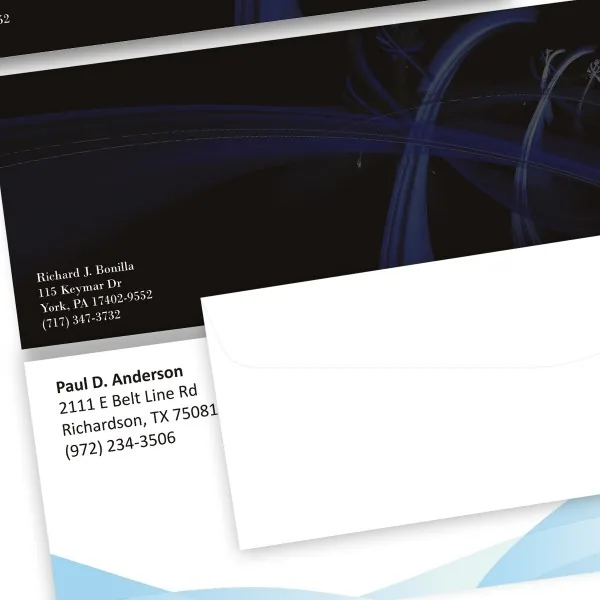
4.125″ × 9.5″, letter in thirds, standard US business correspondence.

Center score, full interior, someone writes a note inside.

3.875″ × 8.875″, nests in a #10. A reply envelope goes in the mailing.
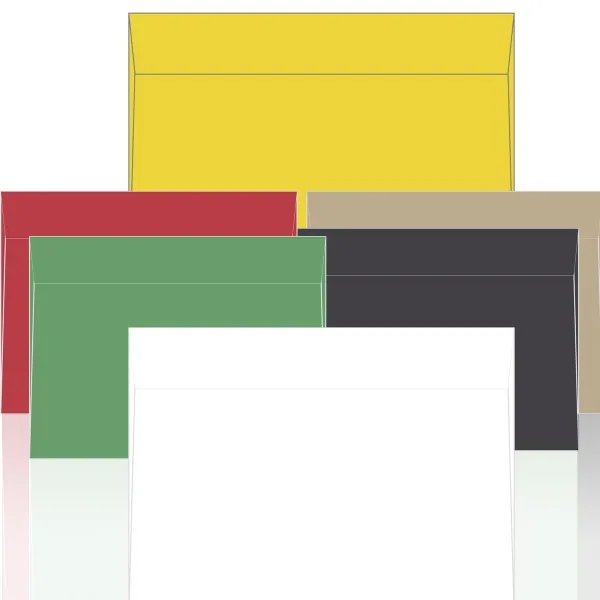
Holds letter size unfolded. The contents must not be folded.

Distinct stock and finish. It has to survive the post-sorting glance.

Heavy stock, restrained finish. Guests must read the formality correctly.
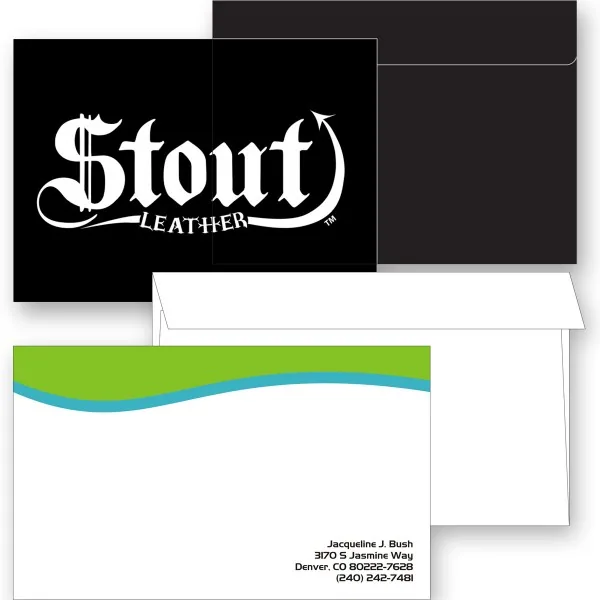
114mm × 162mm, A4 in thirds, cards and shorter ISO correspondence.

Square, shaped or die-cut. The rectangle is the thing you want to break.
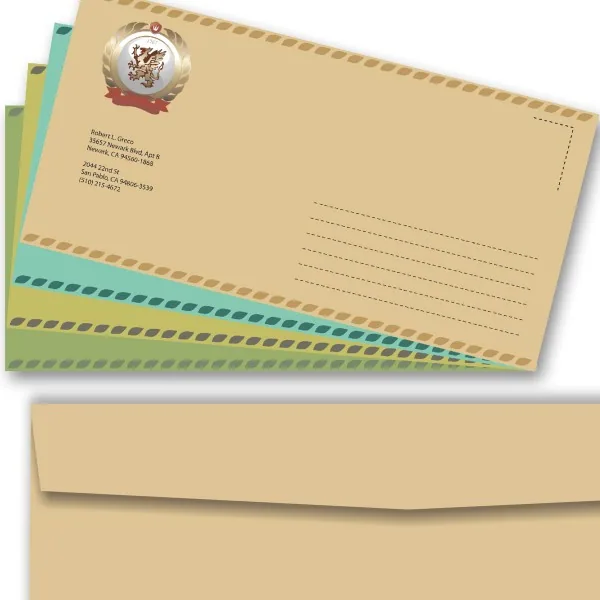
Printed flat, converted to size. No stock size fits, or you want full bleed.

Square, panoramic or gatefold, no standard format fits the idea.

Your sheet and format: a4, folded or presentation weight.

Your size, sheets and header: a desk, counter or giveaway pad.

Cut to a silhouette. The shape is part of the message.
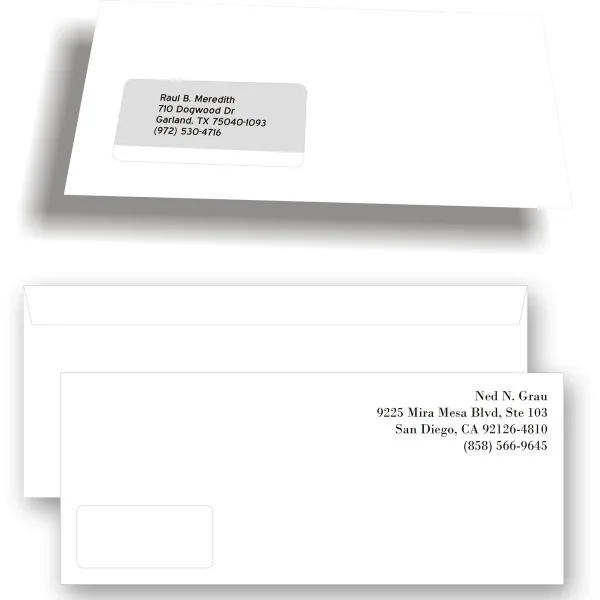
110mm × 220mm, A4 in thirds, letters and invoices on A4.

Center score, four panels. Contact details are not the only content.

8.5″ × 14″: contracts, filings and agreements.

Flat, folded or shaped. The format should suit the party.
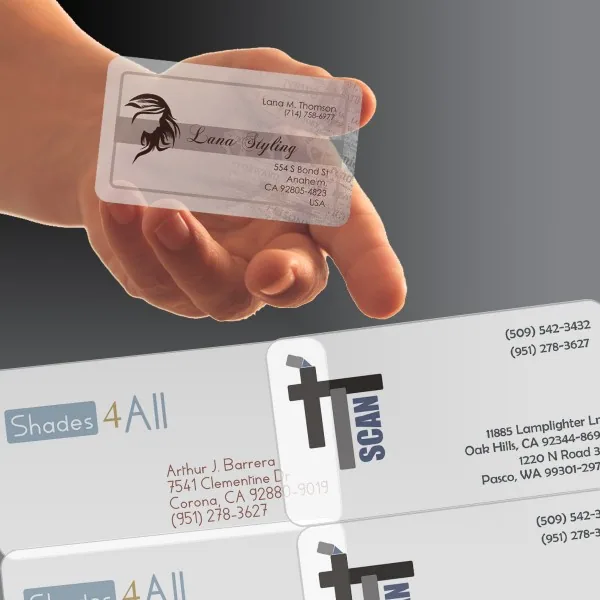
Rigid PVC, waterproof. It has to survive a wallet or a worksite.

Fast turnaround, late changes. The date may move before it prints.

Textured stock, minimal palette. Tone matters more than detail.

Flat, printed both sides, announcements and thank-you cards.

Frosted semi-transparent PVC. The card itself should be the talking point.
Weight does most of the work in this category. An invitation below about 250gsm reads as a flyer no matter what is printed on it, and a folded card below 300gsm will not stand on a shelf. Business cards are judged the same way in the hand within about a second. If you order one thing on samples rather than from a screen, make it these. The decision is physical and does not survive a monitor.
Two practical points save real money later. Order envelopes at the same time as whatever goes inside them: paper whites vary between batches, and a card that does not quite fit its envelope arrives creased. And on anything that gets written on (letterhead, notepads, the inside of a greeting card, a reply stub) specify uncoated or matte, because a gloss surface rejects pen entirely and that discovery always comes after delivery.