Free design proof on every custom order: no templates, no stock SKUs
Six sizes across the US and ISO paper systems. Each is dimensioned around a specific relationship to the sheet it carries, so the two systems are not interchangeable and templates do not transfer between them. Filter by what has to go inside.
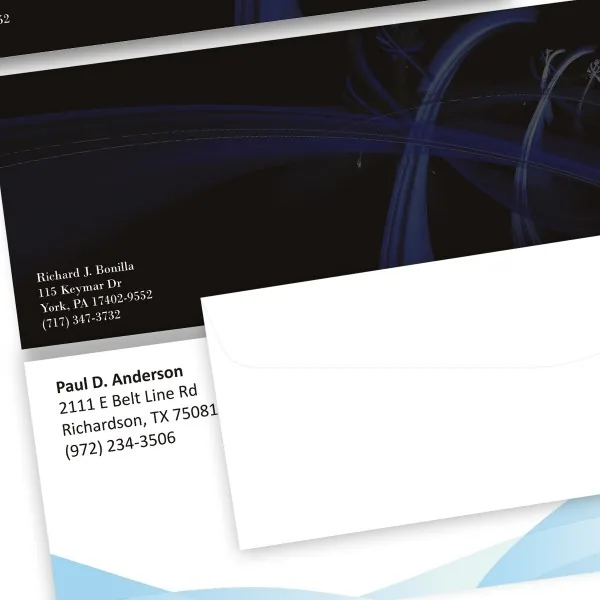
4.125″ × 9.5″, letter in thirds, standard US business correspondence.
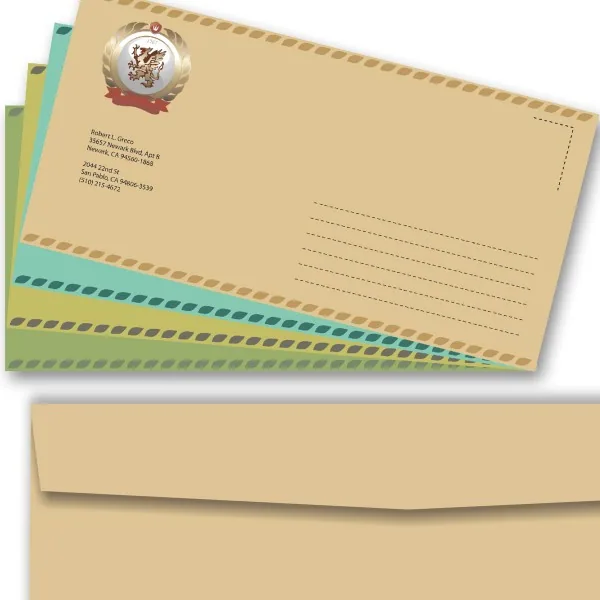
Printed flat, converted to size. No stock size fits, or you want full bleed.
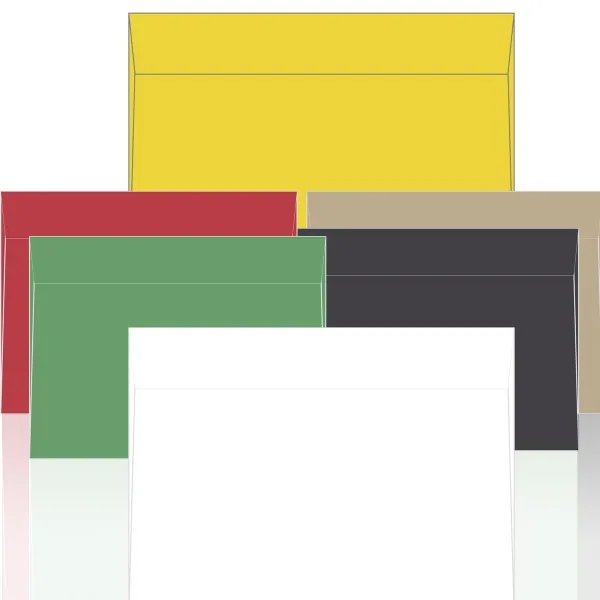
Holds letter size unfolded. The contents must not be folded.
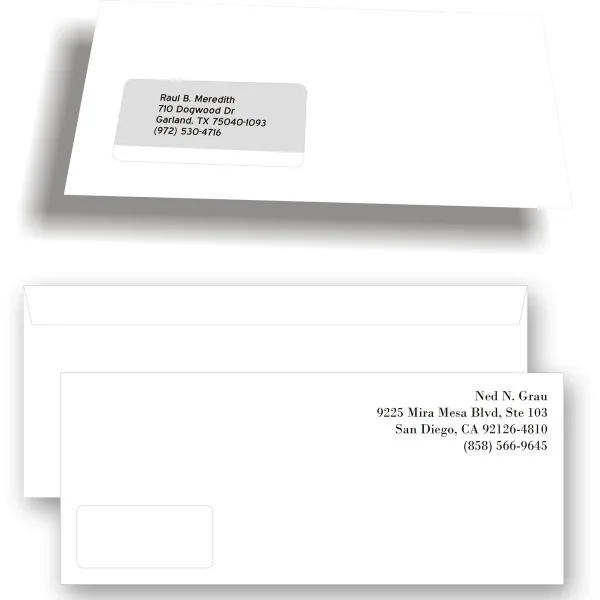
110mm × 220mm, A4 in thirds, letters and invoices on A4.
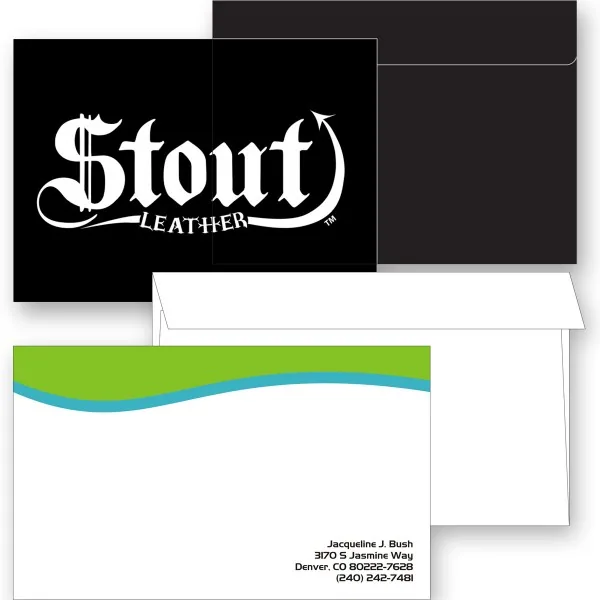
114mm × 162mm, A4 in thirds, cards and shorter ISO correspondence.
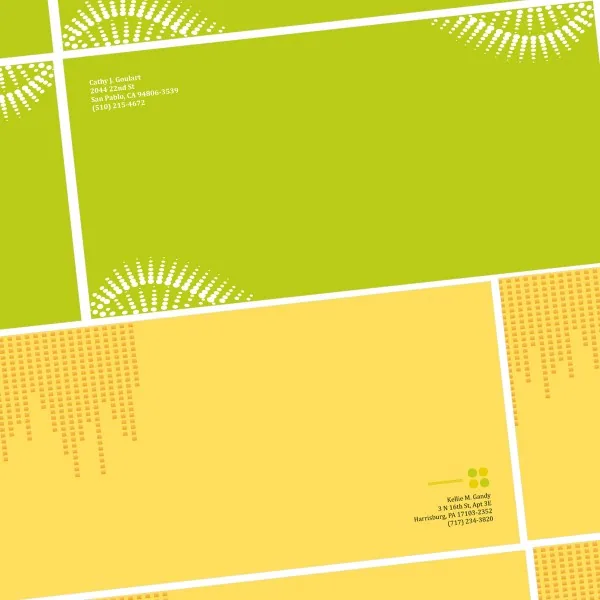
3.875″ × 8.875″, nests in a #10. A reply envelope goes in the mailing.
Start with the contents. A letter folded in thirds goes in a #10 in the US or a DL in ISO markets; C6 takes an A4 in thirds or an A6 card flat. Anything that must not be folded (a certificate, a photograph, a legal exhibit) needs a 9 x 12, which mails at a large-envelope rate rather than a letter rate. A #9 exists for one reason: it nests inside a #10 as a reply envelope.
Two things surprise people. You cannot print wherever you like: postal systems reserve the address block, postmark area and barcode zone, and artwork intruding on them can slow or stop a mailing. And genuine full-bleed artwork is only possible on a custom envelope, because those are printed flat and then converted. On a pre-made envelope ink cannot run cleanly over the glued seams and flap.